
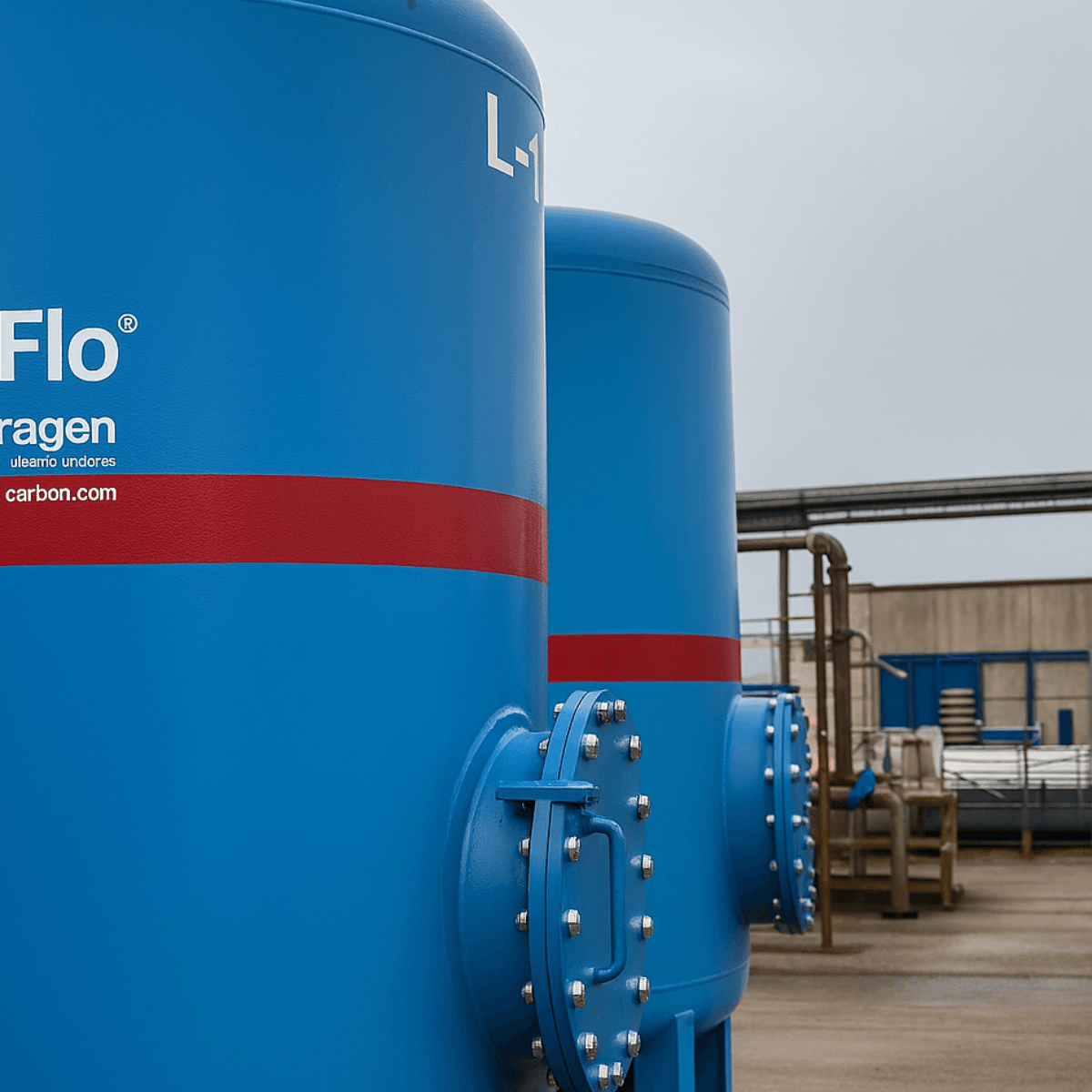
Augean has expanded its hazardous waste treatment infrastructure with the launch of a dedicated low-level PFAS liquid waste treatment capability at its Avonmouth facility.
The company is a UK leader in the specialist waste management sector and prides itself on being at the forefront of innovative processes and technological solutions to meet the ever-evolving waste treatment needs of modern society.
The investment in the Avonmouth site means it is now fully equipped and permitted to process ground and surface water, fire water, and system or tank washings contaminated with per- and polyfluoroalkyl substances (PFAS) which are a growing area of regulatory and environmental priority across the UK.
PFAS are often referred to as “forever chemicals” because they do not easily degrade. Despite their historical benefits in providing heat, water, oil, or stain resistance, they pose increasingly recognised environmental and health risks that need to be effectively managed.
Augean’s solution to this challenge is delivered in partnership with Puragen applying their “Search. Capture. Destroy.” methodology. PFAS compounds are captured using high-performance activated carbon and permanently destroyed through Puragen’s own UK advanced thermal reactivation process. This process ensures the total elimination of contaminants and so prevents any transfer to the wider environment.
A standout feature is the circular aspect of the process : the activated carbon is regenerated and reused following thermal treatment, reducing secondary waste and lowering overall environmental impact.
This innovative development strengthens Augean’s position in the management of emerging contaminant waste streams like PFAS and enhances its ability to support clients facing tightening compliance requirements. The company confirmed that it intends to invest in similar treatment facilities across its other sites soon.
Infrastructure investments of this nature signal a broader shift within the waste management sector towards managing PFAS through permanent destruction technologies and sustainable remediation strategies.